
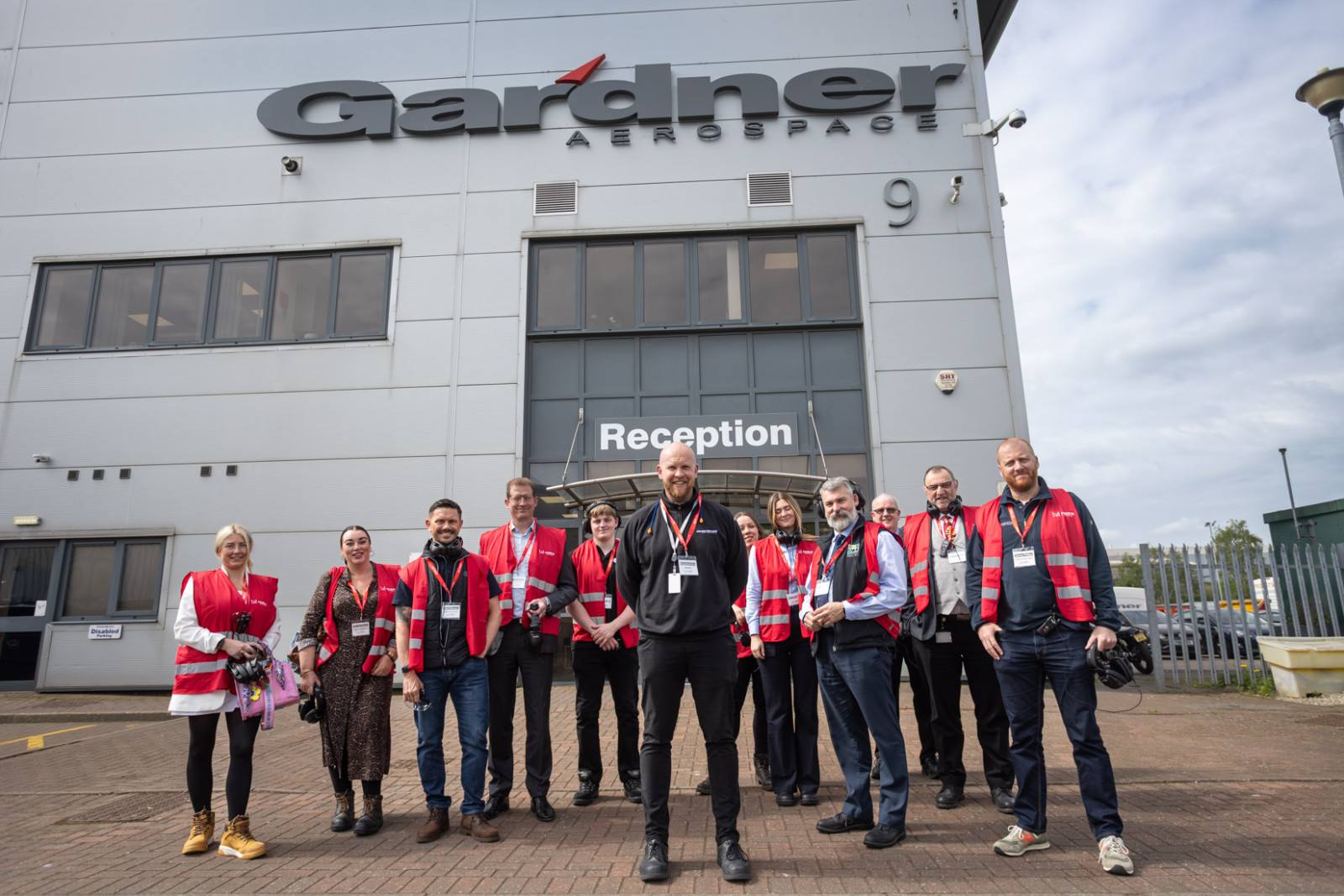
Members from across the Made in Group network gathered in Derby for a high-level factory tour and networking event at Gardner Aerospace - a visit framed around precision at scale, resilience by design and the realities of operating inside a highly regulated aerospace manufacturing environment. From machining and fabrication to finishing, logistics, automation and industrial services, the room reflected the breadth of the wider Made in Group network and the value of bringing manufacturing peers together in direct conversation.
Gardner’s team welcomed members with a presentation led by Darryl Malpass, Director of Programmes, and Matt Lyons, Derby Plant Operations Director, before the group moved onto the shop floor. Together, they set out the scale of the wider business, the role Derby plays within it, and the investment now reshaping the site.
_1.jpg)
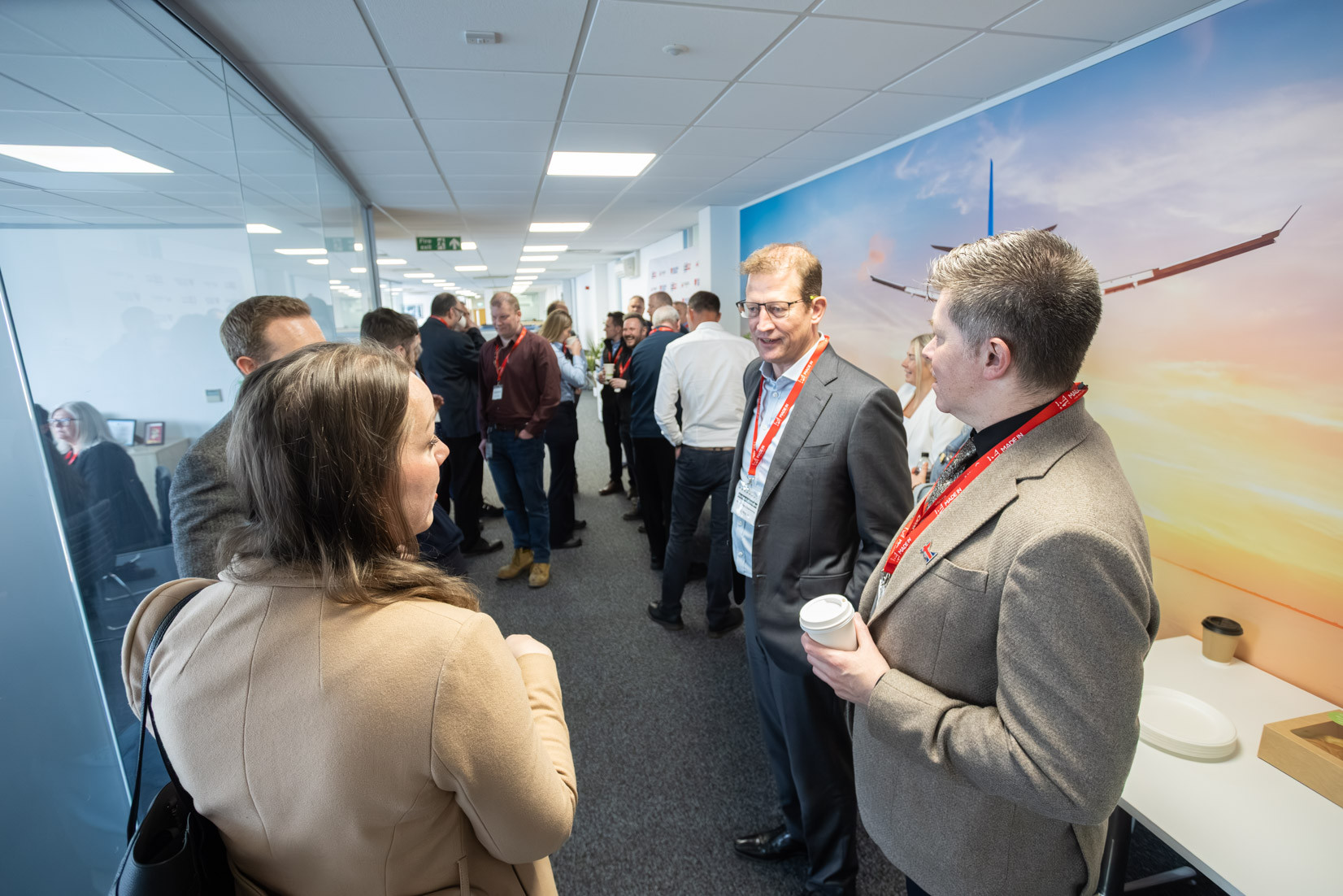
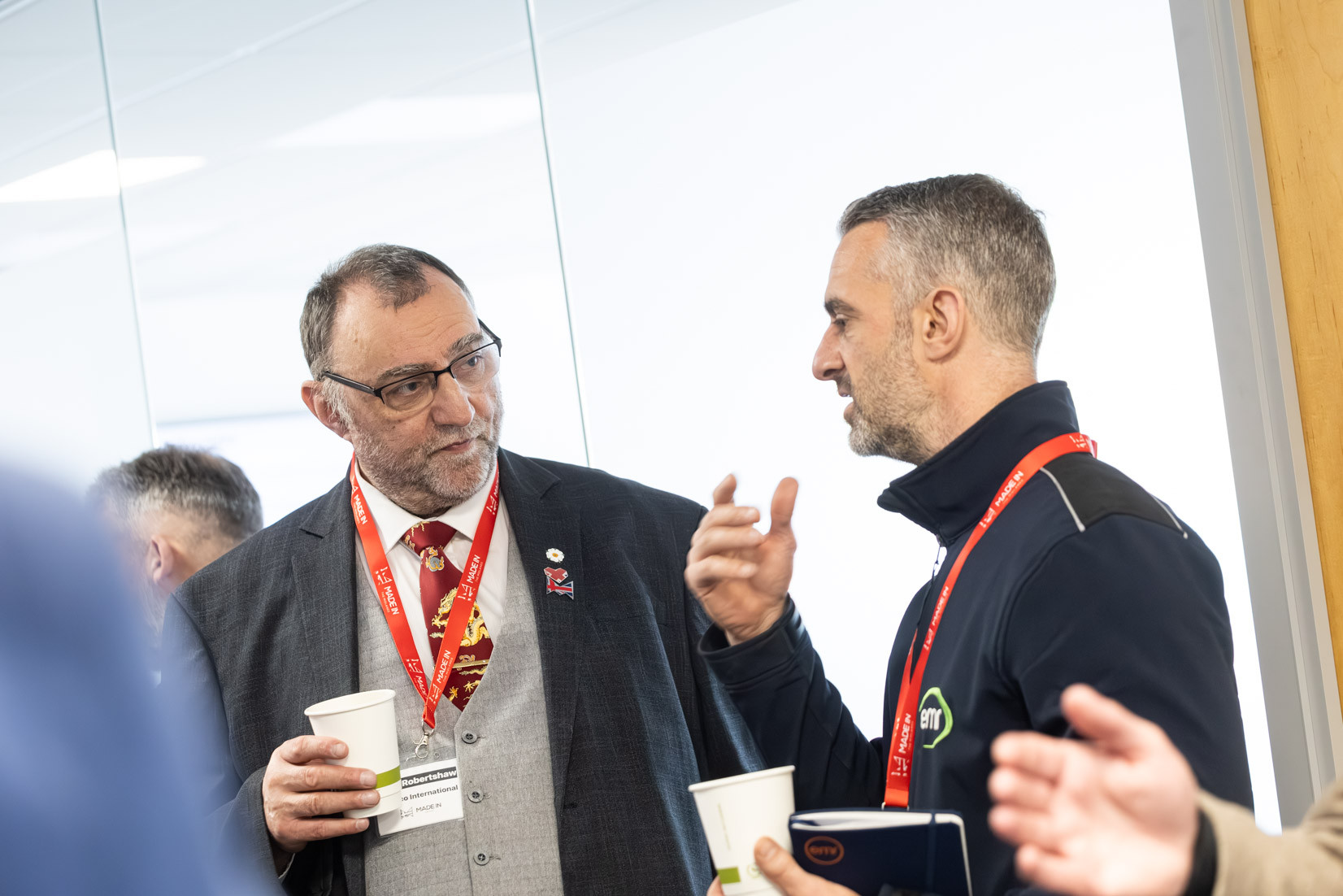
Made in Group members networking at Gardner Aerospace, following a morning focused on aerospace manufacturing, investment and operational excellence.
A Global Group, Grounded in Derby
Darryl Malpass opened with the wider Gardner Aerospace picture. The group, a trusted partner to OEM’s & Aerostructure Tier 1 suppliers, operates across nine facilities in five countries - the UK, France, Poland, India and China - with Derby serving as both a manufacturing site and the group’s head office. Members heard that the business employed around 1,820 people in 2024, with headcount expected to rise towards 2,200 by the end of 2027 as build rates increase and new work comes into the business.
He also outlined Gardner’s centralised operating model, with the Integrated Logistics Centre coordinating customer demand, supply chain priorities and finished product flow across the group. That structure gives sites clearer operational focus. As Darryl put it, the aim is to let teams concentrate on “engineering and manufacturing excellence”.
The point landed clearly in a sector where quality, traceability and consistency are non-negotiable. Derby emerged not as a standalone plant, but as a key part of a wider manufacturing system shaped around control, coordination and specialist depth.
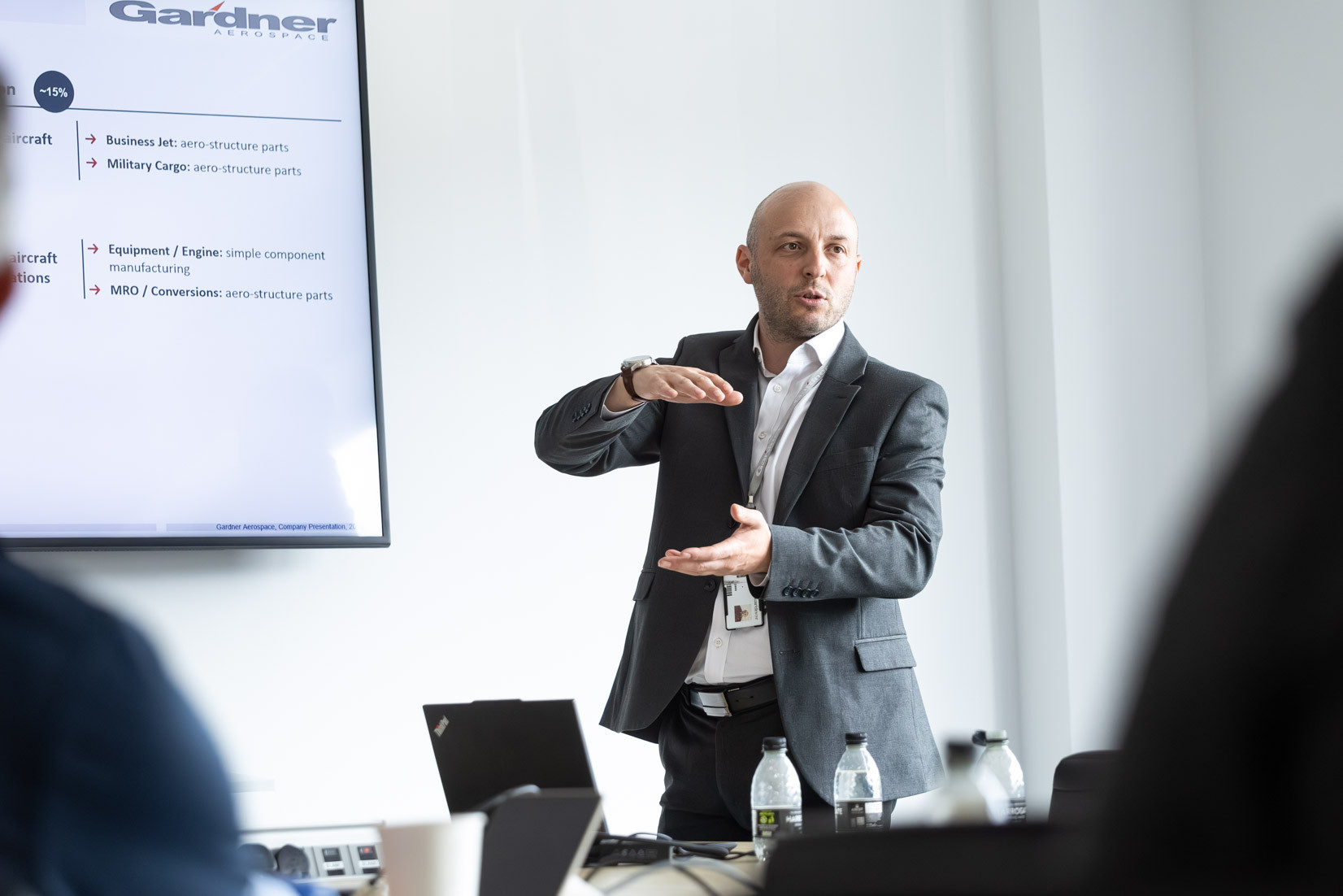
Setting the scene for the factory tour, Darryl Malpass explained how Gardner Aerospace combines global scale with specialist manufacturing capability in Derby.
Investment with Intent
Matt Lyons then brought the focus back to Derby. The site combines machining, fabrication, surface treatments, assembly and logistics, with around 150 people in manufacturing and approximately 3,500 part numbers in scope.
He also made clear the scale of current investment. “We have added 2 state of the art medium to long bed machines to our site in the last twelve months. This year we are putting a third 16 metre bed machine in.”
This multimillion investment gave the room an immediate sense of what is happening here. Gardner is materially strengthening the physical and operational capability of the Derby site. Matt explained that the civil works alone take months, requiring deep foundations, reinforced flooring and curing time before the machines can enter production.
He also spoke candidly about the challenges that sit alongside that progress, particularly in specialist skills. Welding remains one of the hardest areas to recruit for - a familiar issue across advanced manufacturing, but no less significant for that.
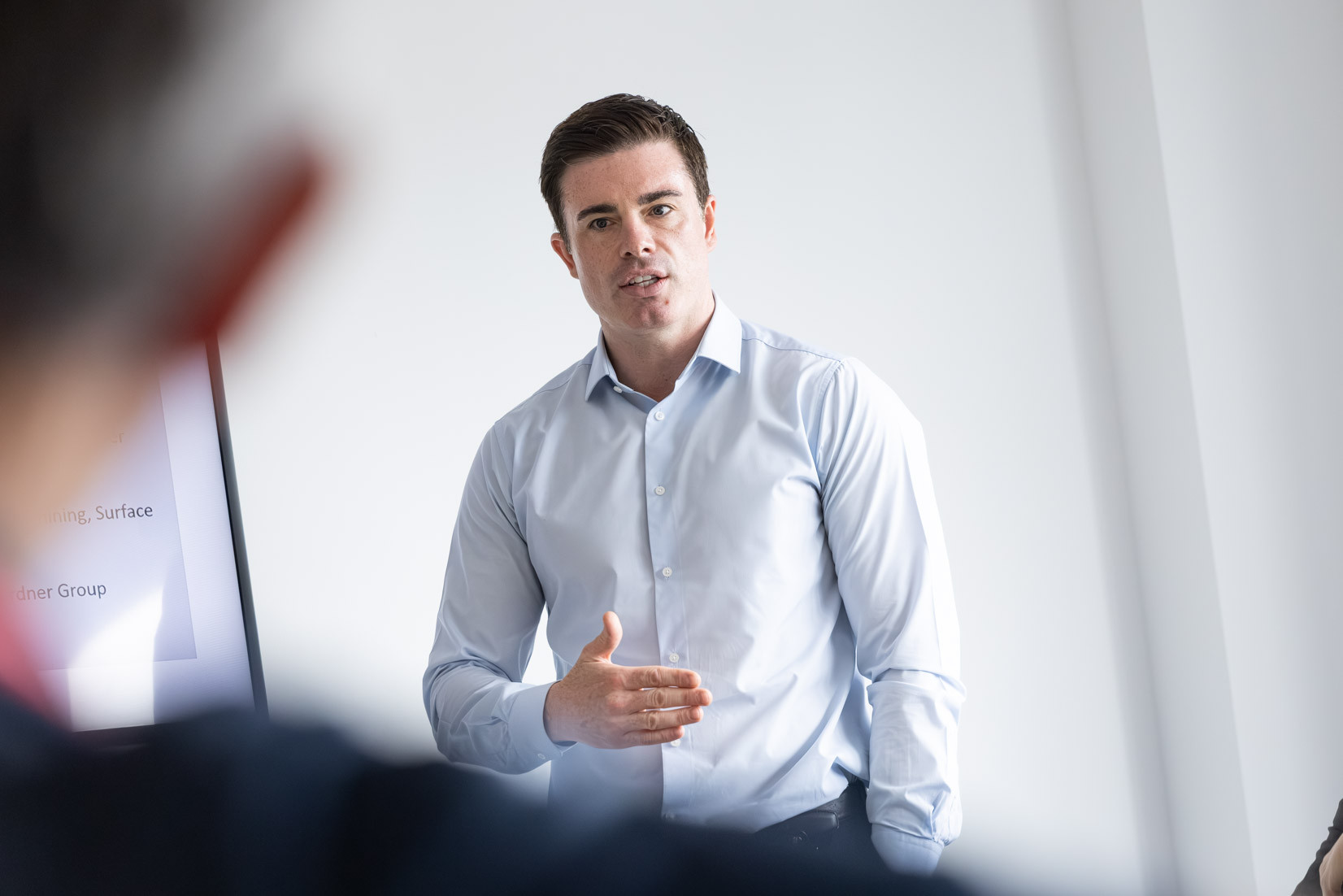
Matt Lyons, Derby Plant Operations Director at Gardner Aerospace, discussing the site’s investment, manufacturing capability and role within the wider group.
On the Shop Floor
If the presentation supplied the framework, the walkaround gave it weight.
Steven Birch, Matthew Payne, Greg MacArthur and Carl Fox led members through machining, fabrication, treatments, assembly and logistics, bringing clarity to a site whose complexity could easily overwhelm a visitor. Their commentary translated the operation into something practical and precise.
The first sign of change appeared before the machinery itself. Civil works for the next installation were already under way, with excavation and reinforced foundations preparing the ground for another major addition. Nothing about the investment felt cosmetic. It carried the physical seriousness of a business building for the long term.
The tour then moved to the 16-metre long-bed machine, designed specifically for stringer manufacture and equipped with automated pallet loading so one table can be prepared while another runs. It was here that the shift in Derby’s capability became most visible. As one guide put it, “It’s a massive step change for Derby.”
Nearby, members saw the six-metre machine that has widened the site’s flexibility on larger structural parts. The team explained that one component which previously took around 24 hours to machine on older equipment had, in trial conditions, been reduced to under six on the newer setup. “This gives us that innovation and able to deliver parts a lot quicker and maintain high quality standards,” they said.
The point was clear. These machines do not simply increase speed. They broaden the range of work the site can handle and change the pace at which it can deliver.
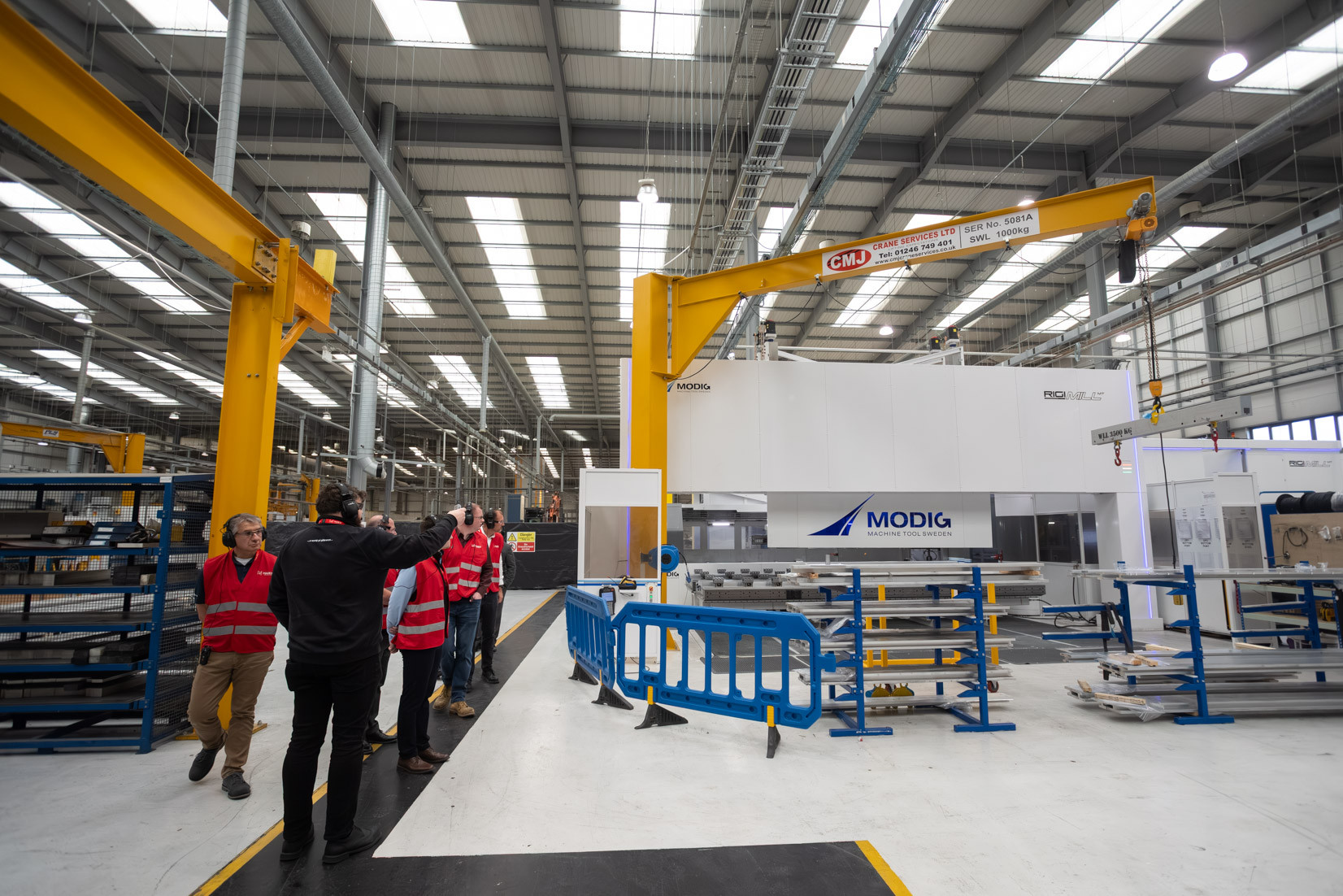
Members were given a close-up look at the major investment reshaping Gardner Aerospace’s Derby site.
Built on Process
What stood out almost as much as the machinery was the control behind it.
Members saw raw material arrive as extrusion, billet or formed stock before moving through machining, heat treatment, routing, stretch forming, chemical milling, surface treatment, painting, assembly and final logistics. Each stage carries its own checks, records and disciplines.
The clearest line of the day came during the discussion on part history and process control: “Everything is traceable.” The team explained how each part carries its own manufacturing route, with operator sign-off, material history and process records embedded throughout. If a component ever needs to be traced back through source material, process stage or operator input, the system allows that to happen.
That principle sits at the heart of the operation. In a live, commercially sensitive environment where performance is delivered under pressure and to exacting standards, control is not an added layer. It is the operating condition.
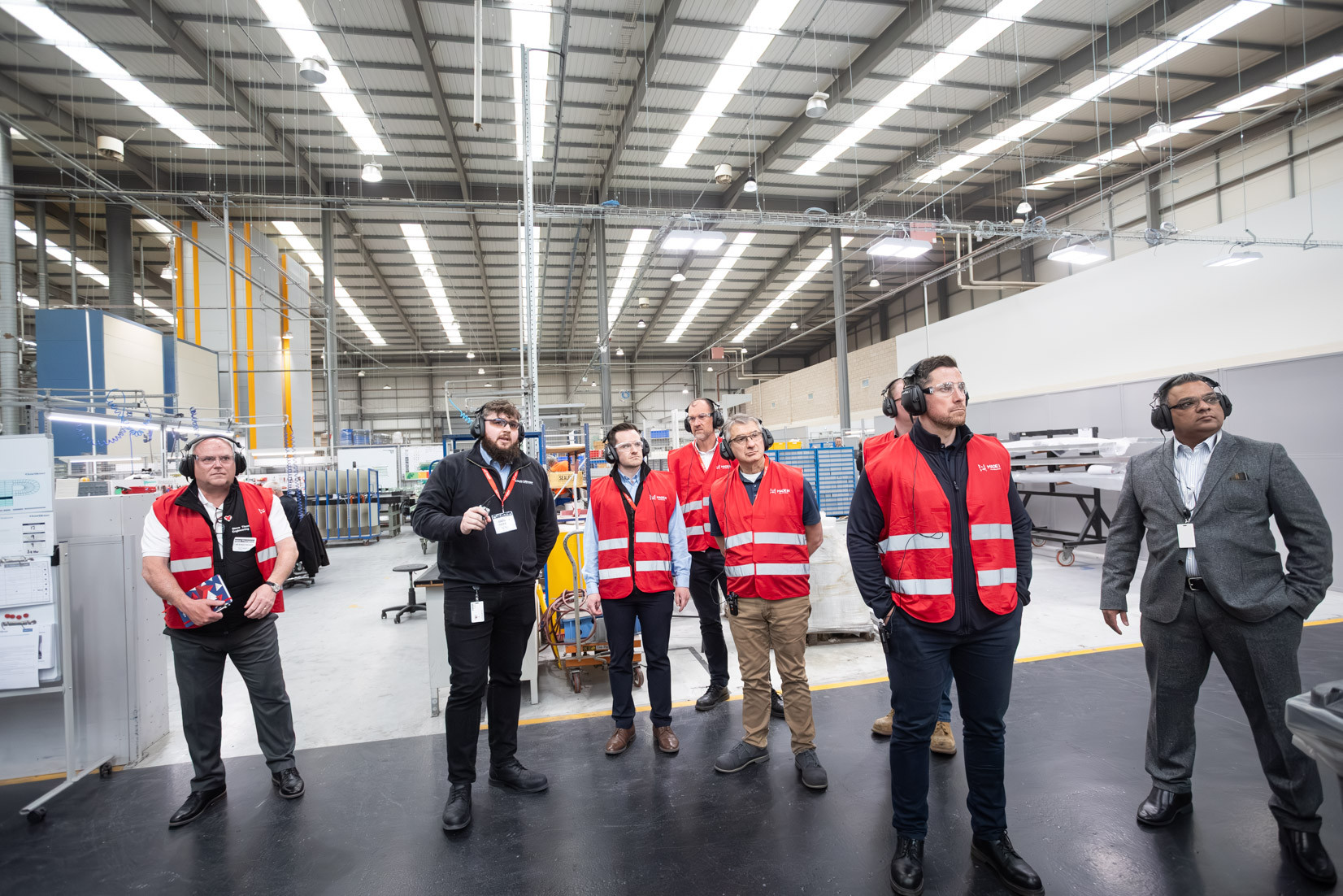
The factory tour gave members a closer look at Gardner Aerospace’s shop floor operations and advanced manufacturing capability.
Specialist Capability in Action
The walkaround also showed why Derby holds a distinct place within the wider Gardner Aerospace structure. Members saw capabilities that are unique to the site within the group, including stretch forming and chemical milling, alongside a broader mix of treatments, non-destructive testing and final assembly activity.
Even the older machinery played a role in telling that story. A press dating back to the 1950s remains in use - not as a relic, but as working equipment that still earns its place. New capability may be driving the site forward, but proven processes continue to matter where they deliver.
Taken together, the result is a facility that is expanding its capabilities while maintaining the disciplines and specialist processes that already underpin its role in the wider group.
.jpg)
Jason Pitt, CEO of Made in Group; Matthew Payne, Carl Fox, Matt Lyons, Steven Birch, Darryl Malpass, Greg MacArthur and Rubin Flower of Gardner Aerospace; and Ilona Pitt, Director of Made in Group, during a Derby factory tour focused on aerospace manufacturing, precision engineering and best practice sharing.
What the Visit Revealed
By the close of the morning, Made in Group members had seen more than a factory tour. They had seen a Derby site operating within a nine-facility international group, investing heavily in long-bed machining, handling thousands of part numbers, and combining specialist processes with tight control over flow, traceability and delivery. The visit offered a practical, senior-level view of how a business manages complexity day to day - from investment and supply chain control to process discipline, operational resilience and continuous improvement inside a highly regulated environment.
As Darryl Malpass put it, “The purpose for us today was to engage with potential customers and suppliers in the local vicinity who share the same common objectives as us, but also to encourage best practice sharing between manufacturers facing similar challenges.” It was a fitting summary of an afternoon built around capability, collaboration and long-term industrial focus.
_1.jpg)